
Replacing helicopter-level missions with a scalable autonomous aircraft platform.
Aerial Freight Systems is building a new category of heavy-lift autonomous aerial logistics for cargo, offshore operations, defense, emergency response, and mission-critical transport—designed to deliver helicopter-class utility with a simpler operating model and significantly lower cost.
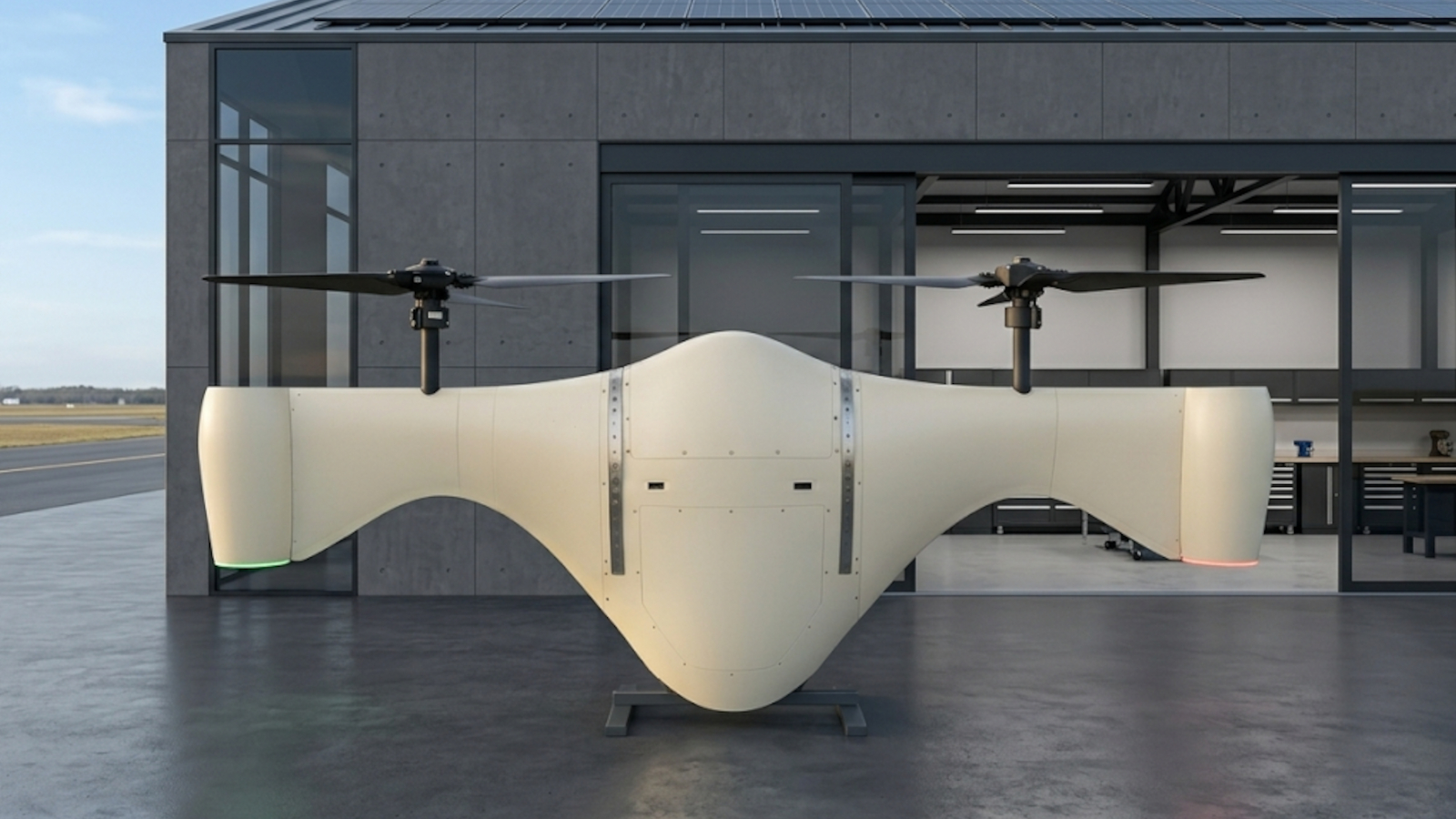
A new operating class between small drones and conventional rotorcraft
Most cargo drones lack payload and endurance. Helicopters deliver performance, but at high cost and operational complexity. AFS is built to bridge that gap with a platform engineered for heavy-lift utility, simplified operations, and scalable deployment.
Heavy-lift utility
Designed for meaningful payload delivery, not light inspection missions. The platform is developed for logistics, emergency, industrial, and defense-grade use cases.
Operational efficiency
Created to reduce the cost burden of traditional rotorcraft missions while preserving critical VTOL flexibility and long-distance transport capability.
Scalable architecture
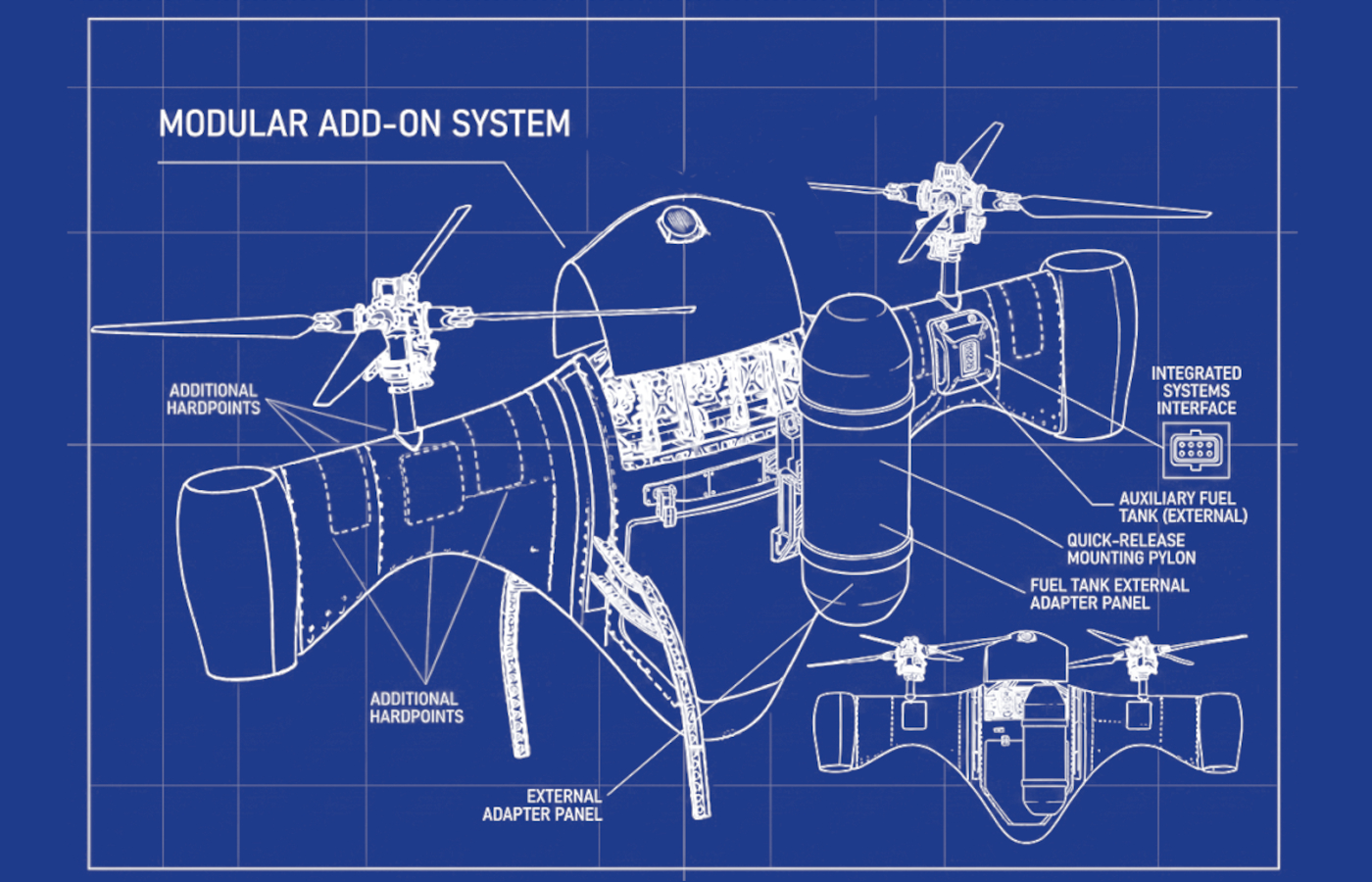
Built as a platform that can evolve across powertrain configurations, mission packages, and future autonomous software layers.
Mission profiles with clear economic and operational value
AFS is designed for use cases where payload, reach, cost, and deployment flexibility matter more than consumer-drone simplicity.
- Offshore logistics and transport to remote infrastructure
- Defense and border security support operations
- Emergency delivery and urgent cargo transport
- Industrial supply missions in hard-to-reach environments
- Infrastructure and field operations requiring VTOL access
Technology built around controllability, efficiency, and mission flexibility
The platform combines a purpose-built airframe, VTOL-capable architecture, and a modular system approach that supports future autonomy, powertrain flexibility, and mission-specific configurations.
Core platform approach
- VTOL capability combined with efficient wing-borne flight
- Heavy-payload mission design philosophy
- Architecture intended for multiple propulsion pathways
- Ground-control and software-defined mission evolution potential
System-level differentiation
- Designed to unlock missions where battery-first platforms remain constrained
- Focused on a practical balance between payload, endurance, and range
- Structured for industrial reliability and scalable deployment logic
- Built to support future autonomy and decision-support layers
Progress toward a deployable heavy-lift aircraft platform
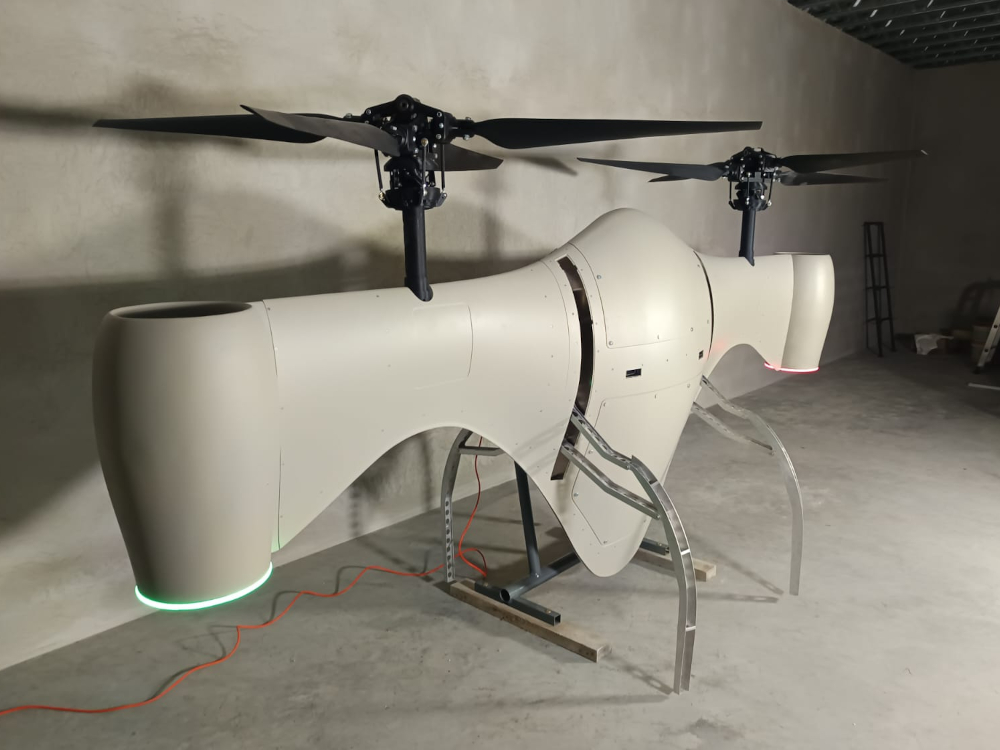
The program is not starting from zero. The underlying engineering base, prototype development, and market discussions provide a foundation for structured commercialization and scaling.
Core engineering and prototype development
Platform architecture, airframe development, and prototype assembly have been advanced through the European development program.
Testing and validation activities
Ground testing, subsystem integration, and flight-readiness work continue to reduce technical risk and prepare for broader operational validation.
Commercial and strategic conversations
Discussions with industry stakeholders and potential mission operators help shape deployment priorities and market entry strategy.
US expansion through AFS
Aerial Freight Systems has been established as the US platform for commercialization, partnerships, market access, and future customer deployment.
Visual overview
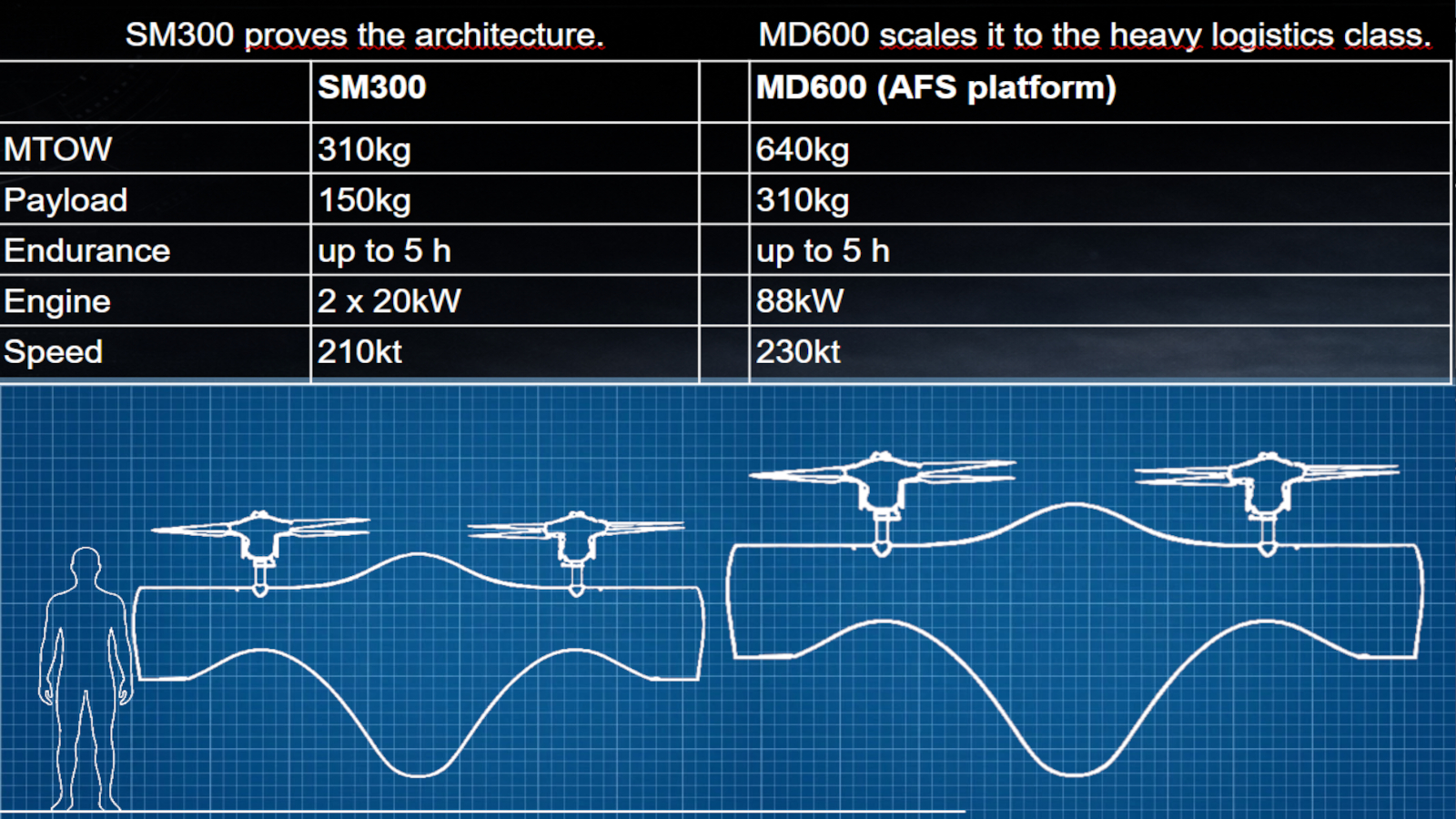
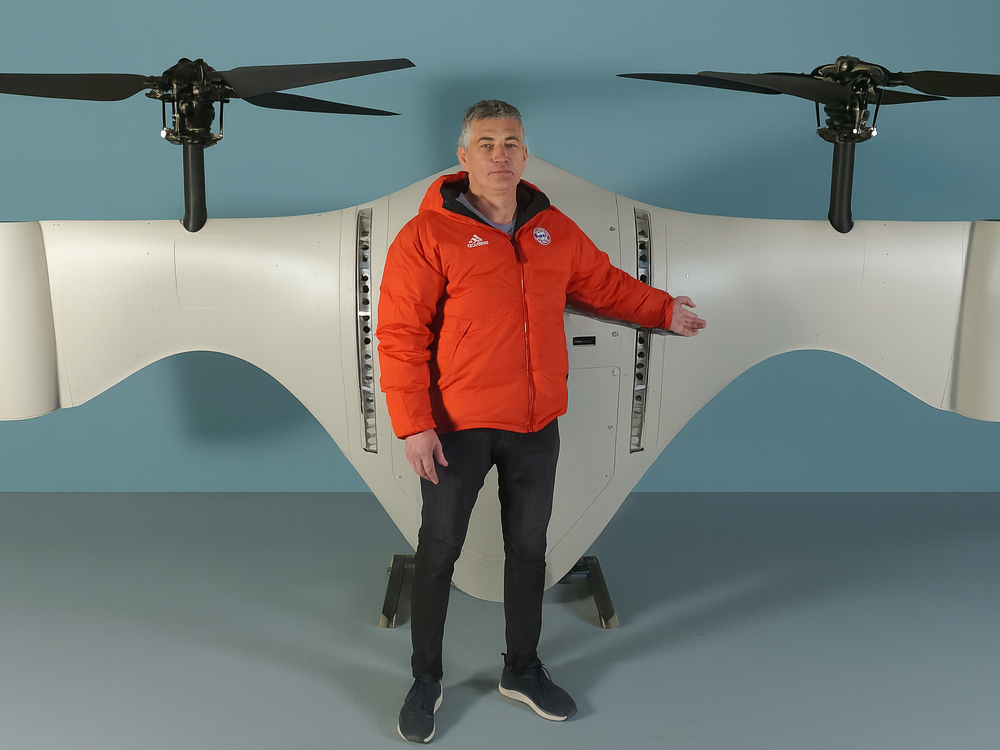
Building the next layer of aerial logistics infrastructure
Aerial Freight Systems is focused on creating a practical heavy-lift aircraft platform for missions that demand more than conventional drones can provide, while reducing dependence on high-cost helicopter operations.
Contact
- Company: Aerial Freight Systems Inc. (AFS)
- Email: info@afsair.com
- Website: afsair.com
- Focus: Heavy-lift autonomous aerial logistics
...